

Xin Chào
This initiative was created from the need to understand how a Czech-Vietnamese identity is influenced and shaped by different cultures. As a Vietnamese-born in Czechia we want to get to know more about our Vietnamese heritage and roots.
We believe it is important to learn and understand one’s culture. This solidarity project is about sharing stories and creating conversations to encourage open and honest discussions that confront the misrepresentations of Vietnamese culture. We aspire to build a safe space where people can prosper and feel secure in exploring and accepting their cultural identities without fear of judgment.
There is a desire to enable and ensure an inclusion in the society. By sharing historical background and life stories, Czech people would have insights into Vietnamese immigrant’s life.
Roots of the Future is about breaking a new ground and creating a welcoming space for exchange and learning.
Here we will share our journey.


-
To the Future and Beyond!
Let us take you on a journey to teach you about the history of our parents and close ones, who moved to foreign countries in hopes of finding a better life.
This blog was created for those who are interested in learning about family, cultural and mostly Vietnamese origins. Here you will get a chance to read stories of people who left their home back in Vietnam and came to Czechia and much more about Vietnamese heritage.
This project deals with the lack of information that some of young people have regarding their parent’s immigrant background. By sharing stories about our culture, we hope to connect more people together and underline the importance of knowing the history of (y)our culture. With this project we aspire to pass these stories on future generations.
By learning and understanding the history of our roots, we believe it is fundamental for shaping our future world.
„Don’t forget that the culture that is going to survive in the future is the culture that you can carry around in your head.“ – Nam June Paik
-
3. The best of both worlds
(Pros and cons of having a multicultural identity)
In Czechia, we have a saying “Kolik řečí umíš, tolikrát jsi člověkem.” In translation, it would sound something like “The number of languages you speak is the number of times you are human.”
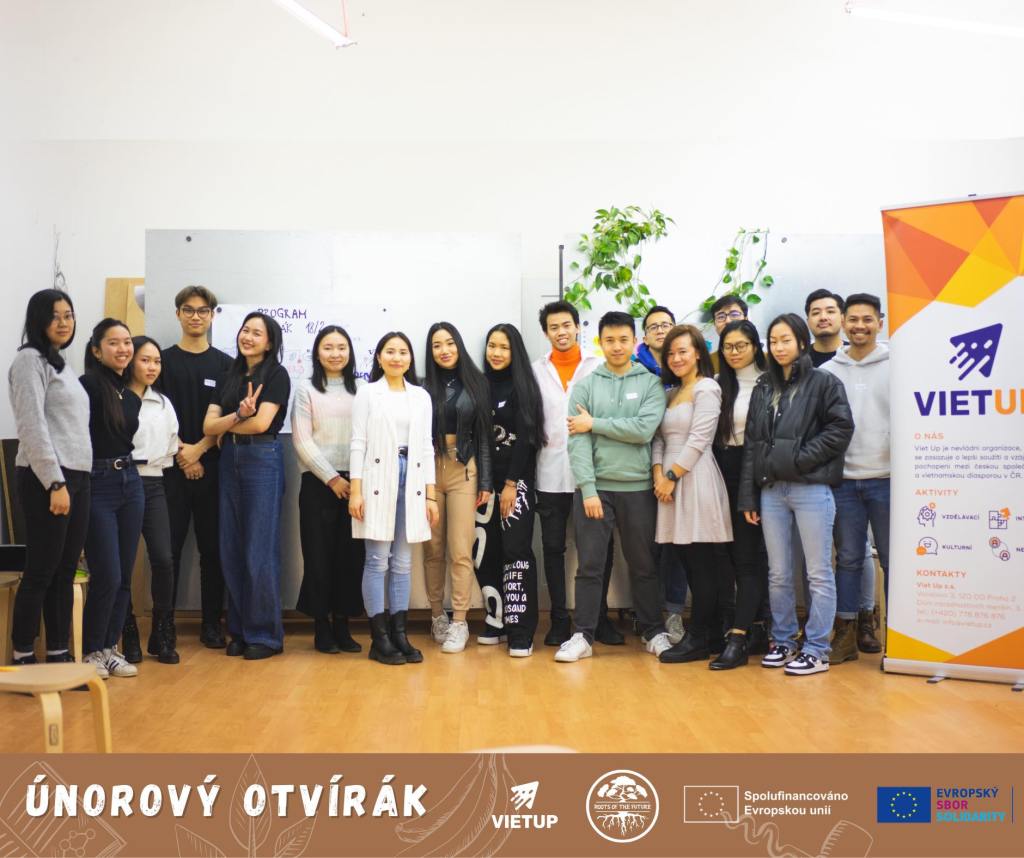
Though the word “human” doesn’t really translate well in English. But it basically means that people sometimes (unconsciously) act a certain way when speaking different languages. Whether in a good way or bad way, their personality and behavior tend to change when they are around different cultures. Given that every culture is unique in its own way. It has its own customs and values which could be reflected in us.
Having a close connection with more than one ethnic group and being able to relate to topics and problems surrounding the culture on a certain level can come with many highs and lows. For some of us, it means being bilingual (or multilingual) and having a limited vocabulary at the same time.
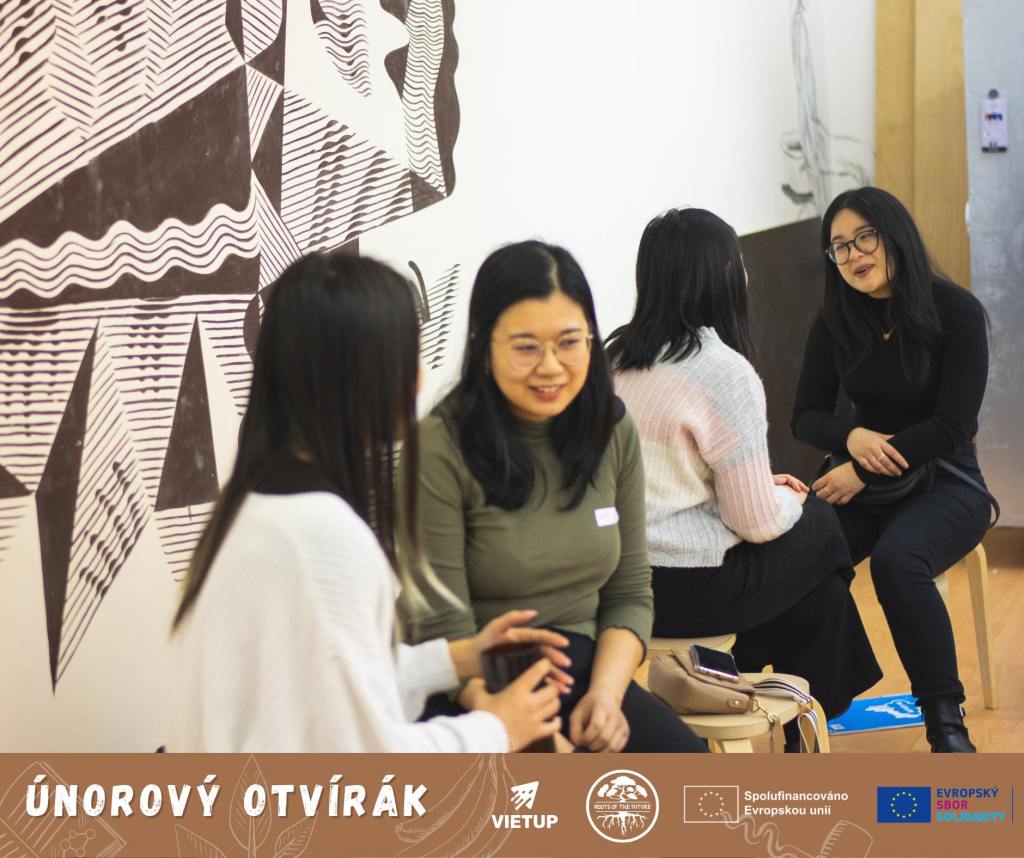
Participants of our workshop expressed struggles of not being fully excellent at any languages they speak. Our mother tongue is usually only spoken at home between our families and the other language is only taught to us outside our home. Vietnamese children usually learn Czech by going to kindergarten and being surrounded by Czech children, or by going to a Czech nanny who looks after them. Some of us feel our Czech language isn’t excellent e.g.: when our word order (slovosled) is out of place, when using proverbs wrong, when our declension (skloňování) is poor, or when using incorrect grammatical gender (jmenný rod).
To be viewed as a minority in a foreign country at certain times means we don’t get the same opportunities as others only because of our skin color. One of our participants used an example of her friend when she was searching for an apartment and not being able to get approved. Assuming Vietnamese people had a bad reputation in that area. But being Asian can also mean we automatically get positive attributes assigned to us.
Czech people claim Asian people have a good history of working hard and being very thorough with everything they do. But these positive stereotypes can create demeaning and undignified situations. People who believe in these stereotypes tend to have big expectations.
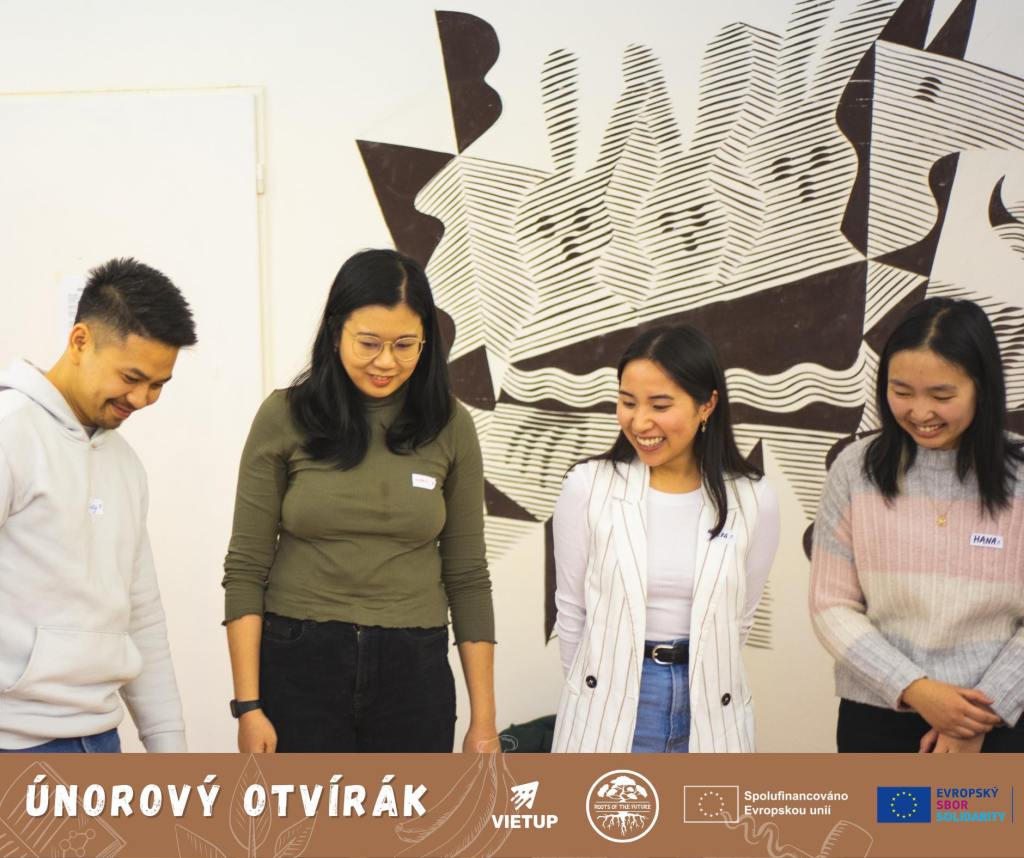
They live in a delusion that e.g. all Asians are good at math and they’re the top of the class. Asians who don’t really meet these criteria when people expect them to often feel uncomfortable. It’s a moment that’s near to a feeling of not being good enough and feeling less of an Asian. There are of course times when you are expected to and should execute the best work (when being under some kind of institution). But what makes it different here is the talk about race. Because “All Asians are like this” when in reality we should view human beings are all separate individuals.
So what is the brighter side of having a multicultural identity? Many participants of our workshop expressed their love for having variability in food. Not only do we get to taste homemade delicious Vietnamese cuisine but in Czechia, we also get other worldwide famous dishes (Italian, Greek, Indian, Mexican etc.). The quality in Czechia is also practically better than in Vietnam – better quality of dairy products, water and other materials.
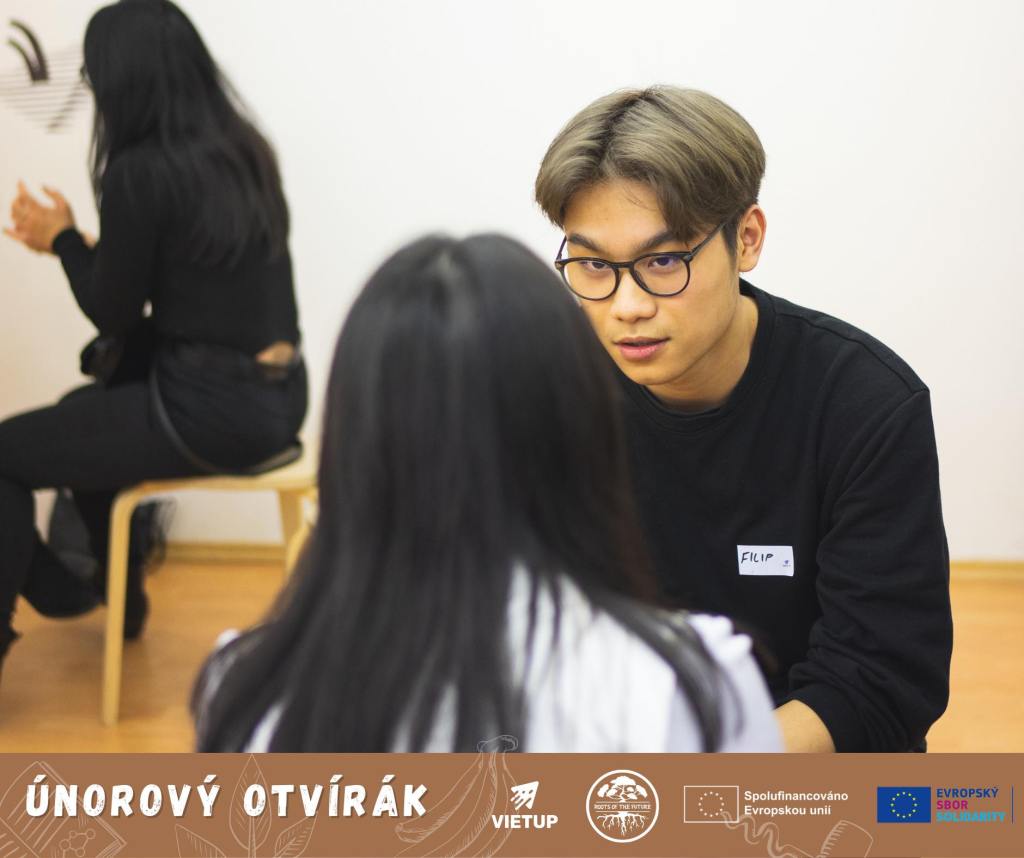
We also get to learn more languages, not only Vietnamese but generally multicultural people are often surrounded by other cultures/languages. As one participant wrote: “We are beautiful because of it” as one of the advantages of being multicultural. ❤
Some of them noticed that people often perceived them as trustworthy. Some argue that it’s because ethnic, racial or sexual minorities are often overlooked and marginalized in society which makes them more empathic toward the others as they have a share of struggles. In practice, their friends or colleagues often come to them with their problems as they view them less close-minded and having a more objective opinion. But this doesn’t apply every time. Whether we seem trustworthy or empathic radiates from our energy and personality, and it doesn’t really have to be related to our race.
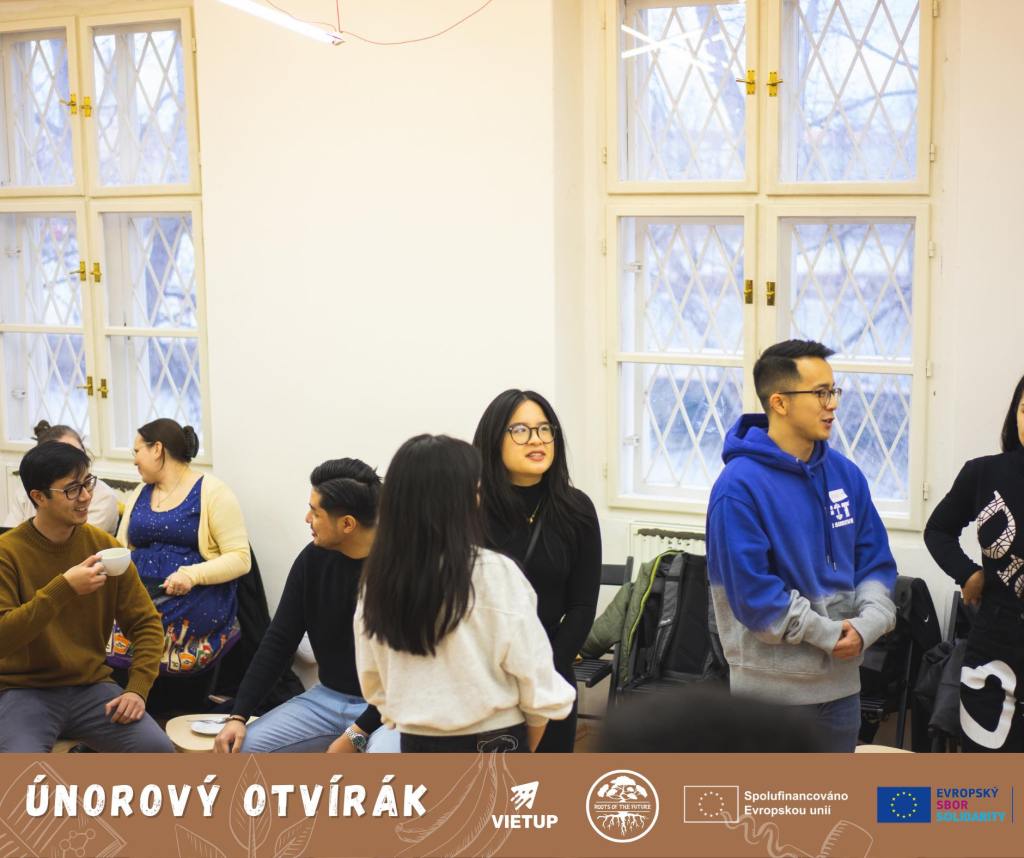
This all is what makes us different, unique and interesting. The first thing people notice visually about you is your look and posture. Some agree that we easily catch somebody’s attention just for looking Asian and people remember us quicker for that.
Throughout the history of our humankind, it has been generally difficult for us all to accept and embrace our features and attributes that are normally criticized in society. But it is our differences that make the world less boring.
Our purpose isn’t to mold ourselves to fit into somebody’s hand. It is time to bring the word “multicultural” into our daily life conversations.
-
Intergenerational Dialogue and non-formal meeting
Sometimes younger generations have difficulties getting along with the older generations. Throughout history, there have always been some clashes happening between generations. Conflicts are perpetually inevitable. Without revolution, there is no evolution.

Nowadays, in modern and fast paced life, we are surrounded with advanced technologies that are supposed to make our lives easier. It does come in handy for example when we need to instantly connect with our family who is on the other side of the globe. But because of technology we are also losing at the same time the ability to stay present and to connect with people in real life.. Spending most of the day online instead of meeting people face to face could lead to lack of the ability to deal with real life situations, especially when it comes to communication and dealing with disagreements, this could lead to unhappiness and depression.
One of the main aims of our project is to open dialogues and share stories across the generations to discover one’s cultural heritage and identity. Beside that we are open to team up with like-minded people to create initiatives together and reach common goals. We are delighted to share one of the latest initiatives with you that we organised together with four Czech young people in Prague.

Panel discussion on mental health and generations with a psychologist and crisis intervention expert Klára Gramppová and Barbora Pšenicová, therapist and CEO of NGO „Nevypusť duši“ A conference “Mezi generacemi” and a non-formal meeting aimed to bridge the intergenerational gap and create a space for dialogue. It was initiated as a response to the misinformation that has been arising in the digital era. We have observed many clashes that are happening on social media because of different perceptions and views on the world we are living in and these disparities have been growing in significance.
Our team has recognized the urge to create connections, have meaningful conversations, exchange knowledge and create some understanding among the generations. We invited experts to have two panel discussions on mental health and media literacy among generations of people. The evening was concluded with a bonfire accompanied by folk music where people had a chance to share their stories, learn about other cultures, art and feel the power of connectedness.


Panel discussion about media literacy and disinformation in relation generations moderated by Jan Žabka “Sometimes we won’t reach an agreement because of diverse points of view. That’s totally fine. Rather than getting into arguments, we try to develop understanding and, most importantly, respect each other. It requires patience. But the relationship could be strengthened as long as there is will.”
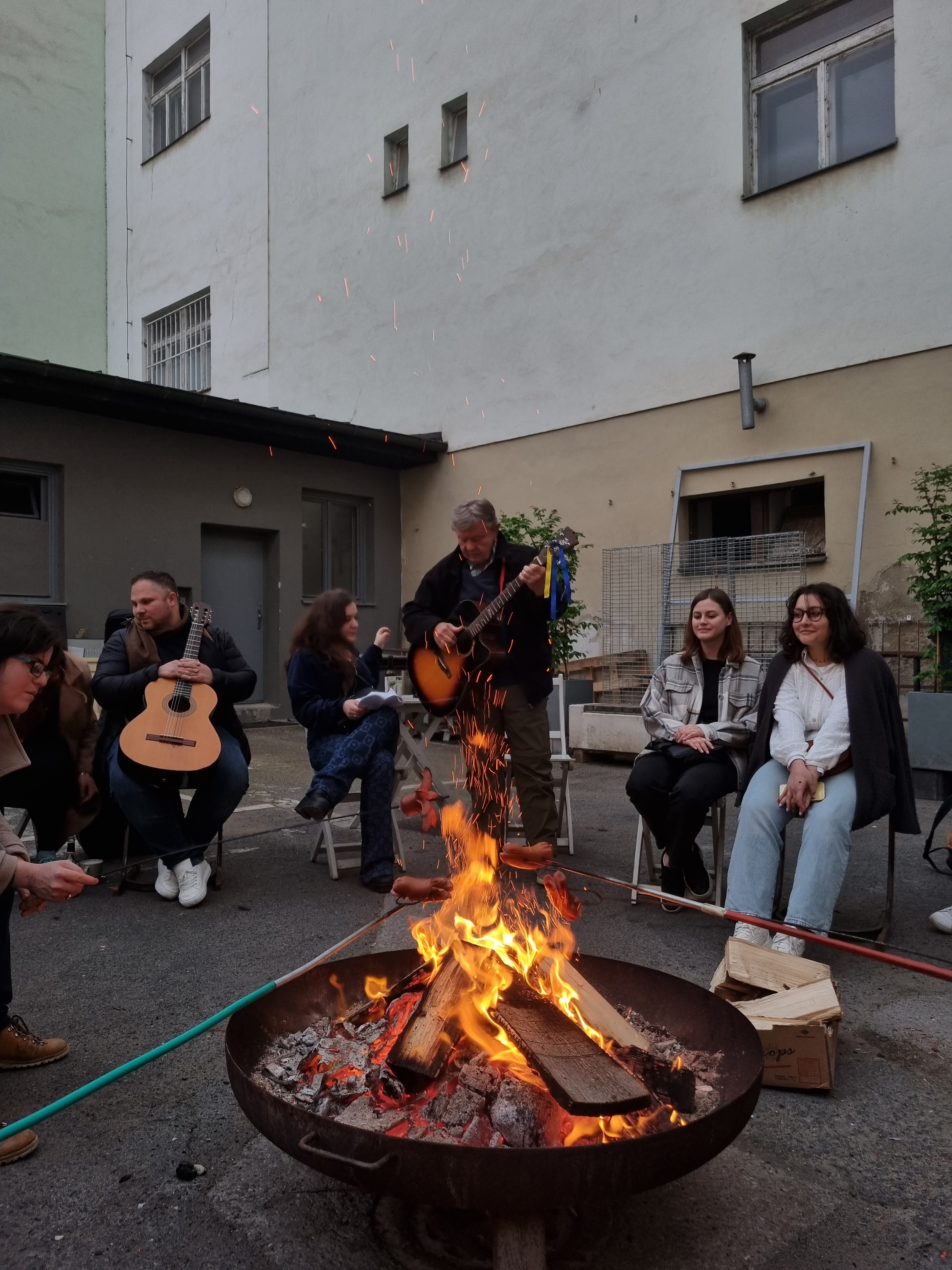


This event was organized in the framework of Living Lab „Živá laboratoř spolupráce“ by CPPT Charles University.
The Team: Františka Hanousková, Žabka Jan, Van Anh Tranová, Linda Be, Michaela Veberová and Karina Kazarina
-
2. Would you consider yourself more of a Vietnamese person or are you still figuring it out?
Reflection on Identity and multiculturalism no.2
Because of our multicultural identity we often struggle to decide on which side we belong. It’s not always 100% Vietnamese or 100% Czech. According to principle Jus sanguinis our citizenship at birth is determined by the citizenship of our parents, which may be Vietnamese nationality. But we practically often find ourselves in uncertainties where we don’t exactly feel or behave as a “true Asian” (whatever that might mean).
Our identity can be affected by the people we are surrounded with. If someone didn’t grow up in a Vietnamese community, they are usually inclined to Czech culture. Being part of a friend group where everyone’s nationality is Czech, makes you view yourself as one of them too. But the way other people perceive us visually, it is hard to deny or hide your ethnicity. One of our participants said that there were a lot of Vietnamese people in her hometown and because of that Czech people didn’t make them feel inferior and she didn’t have the need to “fit in.”
*fun fact* The town with the most Vietnamese population in Czechia is Cheb (right after Prague).
If a Vietnamese person living in Czechia was compared to another Vietnamese person living in Vietnam, our values and opinions on culture might differ. Some traditions and everyday life things of a Vietnamese from Vietnam might seem strange to the Vietnamese living in Czechia even though their nationality is Vietnamese as well. It is at this point where one can doubt their cultural identity. If I view myself more as a Czech, others might argue I don’t look the part. If I view myself as a Vietnamese person, other Vietnamese might call me out for being too “white”, “foreign” or “mất gốc.”
Because of the fact that Asian cultures are often mocked and people often take advantage of a situation when someone doesn’t speak their native tongue well, it was harder for us to explore and accept our identity. But as we grew older it eventually became easier for us to find ourselves in this world. And for some of us, it meant finally accepting our Vietnamese roots.
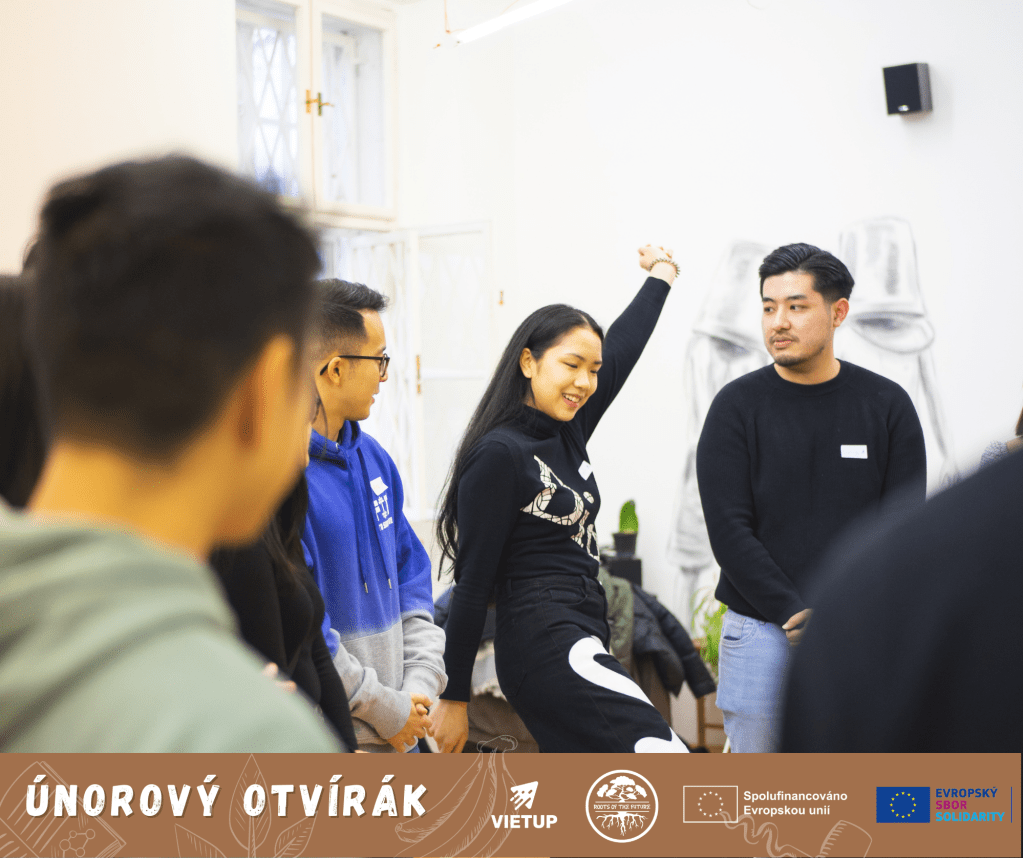
During this activity “Spectrum,” we then discussed the flexibility of multicultural identity which is being able to adapt to both cultures easily. Some of us identify ourselves as Czech and Vietnamese at the same time. It is not difficult for us to adjust to being around Vietnamese, Czech, or other cultures (as someone also mentioned British or German culture due to studying abroad). Most of the people that related to this aspect already accepted their multicultural identity and were satisfied with themselves because they didn’t struggle with having to fit in.

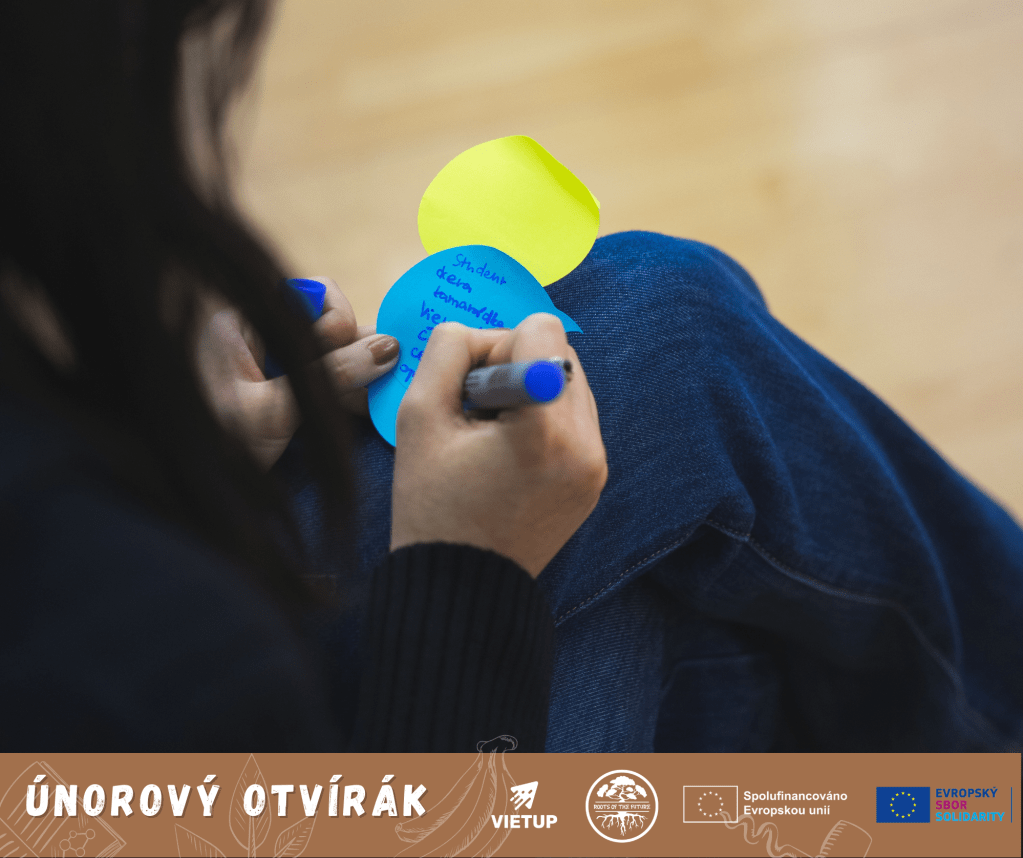
I obviously can’t speak for everyone here. Not everybody felt this way and was bothered by this issue as they never felt the need to address it before. This matter is only a subjective opinion based on our own thoughts, feelings and background. The previous paragraphs were only some opinions that were mentioned during this activity and some aspects that a lot of participants related to. Each of the participants during the spectrum had an option to choose how they wanted to identify themselves.
-
1. How would you identify yourself?
Reflection on identity and multiculturalism no.1
Firstly, I’d like to mention why we should be aware of our identities. We can categorize them into gender identity, sexual orientation, ability (a football player), race, nationality, ethnicity, religion/spirituality, and social class. Each of these identities helps us to understand who we are as a person. The most important lesson I took from the workshop is to recognize our identities and accept them as a part of us.
The first activity we started our workshop with was called “Labels”. Every participant in this debate was a Vietnamese living in Czechia. But how each of them identified themselves was sometimes slightly different from other participants.

Other people can also perceive us in a different way which can influence our identity. How we view ourselves can change over time. During the workshop, we discussed mainly our racial, ethnic, national and multicultural identity. An identity doesn’t always have a good meaning. There are some particular labels with negative connotations that are used to downgrade someone, e.g. “chink”, “dink”, “Chinese” (hinting that all Asians look the same), “slant-eye” (“šikmoočka” in czech), “Yellow” (“žluťásek”) etc.
Some labels have been here for way too long that we don’t even perceive them in a negative way anymore and we accept them as part of our life. And that will be e.g. “Banana”. You may have heard someone saying “Yellow on the outside, White on the inside”. The origin of this ethnic slur “Banana” was used by East Asians to shame other East Asians who have assimilated into the Western culture and slowly withdrew from their roots.
Nowadays, most Vietnamese people living in Czechia associate themselves with this term on a regular basis as it’s not perceived as downgrading anymore. Some of them view themselves this way because of a feeling of not knowing where they exactly belong and because Czech culture had a big impact on their way of thinking. Other examples of using food as racial metaphors include “Twinkie”, “Coconut” or “Egg”.
These words may impact our minds in a humiliating way when we can feel rejected by society. But how others label us doesn’t define us. As one of our participants during the workshop said “I just ignore it and keep smiling. :)”


This post was created within an event „Otvírák“ in collaboration with VietUp.
-
Memories of Tết
Little pieces of memories of the first generation immigrants in Czechia

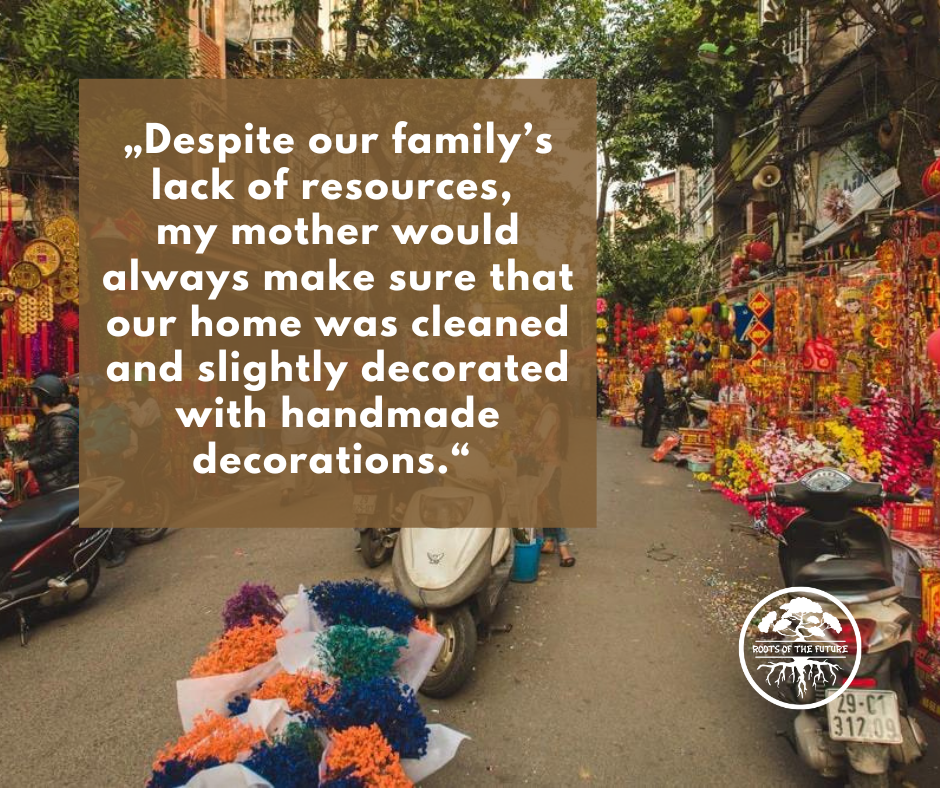
When I was younger my family used to celebrate Tết in a very traditional way. Despite our family’s lack of resources, my mother would always make sure that our home was cleaned and slightly decorated with handmade decorations for the new year at least. However, due to a lack of funds we were unable to hang red banners and lanterns around the house, which symbolize good fortune and prosperity.
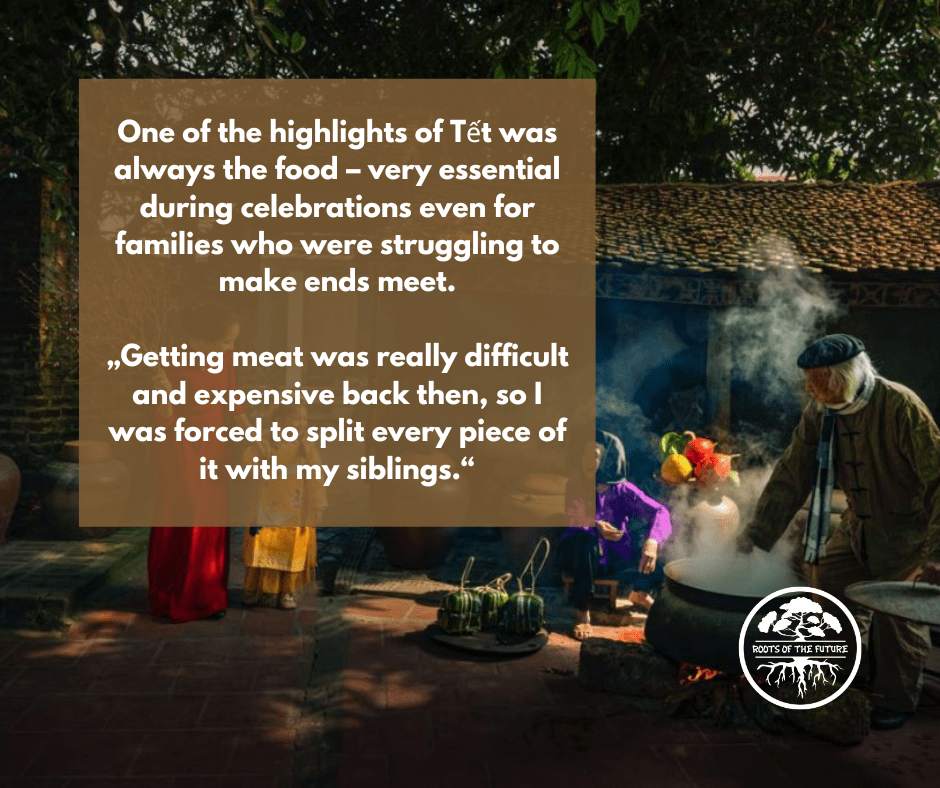
One of the highlights of Tết for me was always the food, which was important during Tết celebrations for families like ours who were struggling to make ends meet. To make sure we had enough food for the occasion my mother would put money aside all year. Getting meat was really difficult and expensive back then, so we were all forced to split every piece of it.
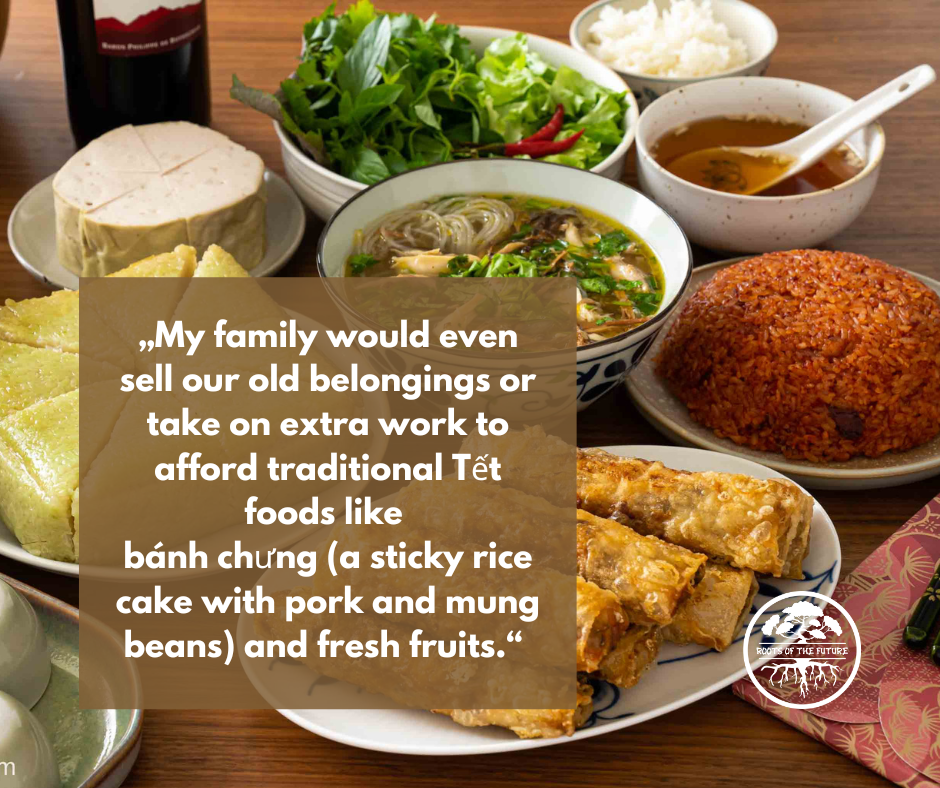
At this time, it was impossible to have friends over because the occasion itself was too difficult and demanding to organise so inviting them was not the option to do so. My family would even sell our old belongings or take on extra work to afford traditional Tết foods like bánh chưng (a sticky rice cake with pork and mung beans), bánh tét (a cylindrical rice cake filled with pork and beans), and fresh fruit.
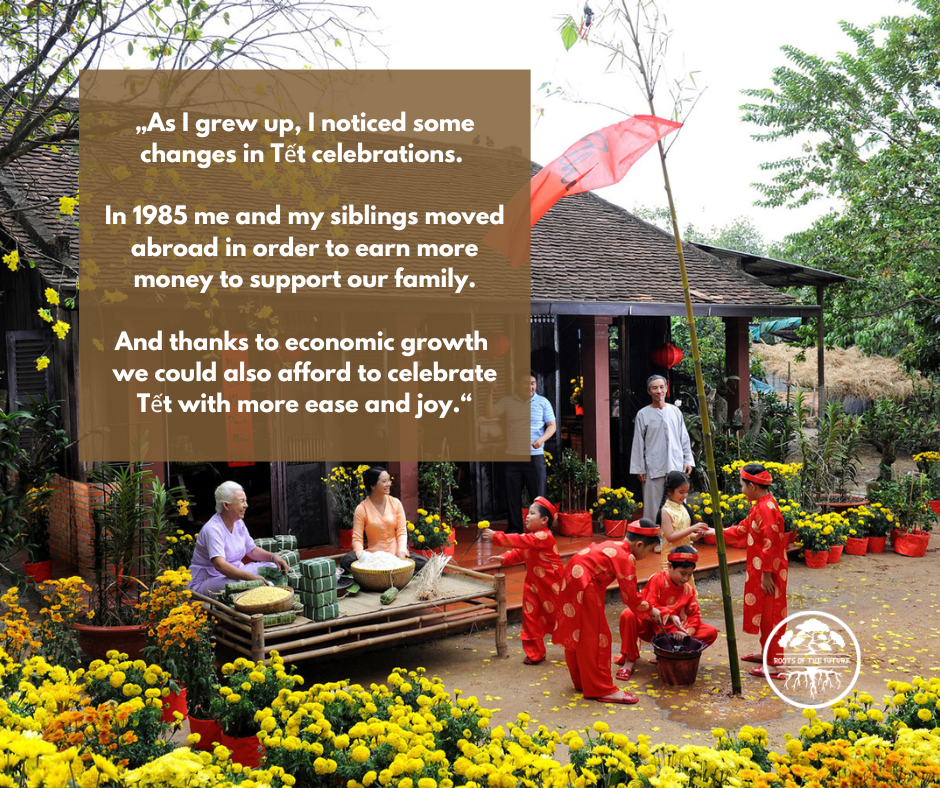
However, as I grew older I began to notice changes in the way that Tết was celebrated. With Vietnam’s economic growth some families had access to flexible jobs with greater income outside the country, including ours. In order to acquire more money for my family to live a better and prosperous life, my older siblings and I would move abroad and send earned money to the family back in Vietnam. Despite the fact that it would occasionally be quite difficult, especially for our mother who was frequently alone, we decided to adopt this method of supporting the family. My siblings and I were later able to pay our mother back for dealing with the tough times while taking care of us all by herself with the money we earned over the ensuing years. Later then, we could finally afford a little bit more expensive family celebrations with an emphasis on pleasant and stress-free situations throughout the holidays.
Nowadays, many families, including mine, celebrate Tết differently. While we still clean and decorate our homes, we can now purchase decorations rather than making them ourselves. My family can now afford to eat more traditional meals, buy presents and invite our friends to share the atmosphere of the occasion with each other.
This project was co-funded by European Union. 🇪🇺 The Commission does not take any responsibility for the content.

About Us
The 12 month long project involves young people with immigrant background by encouraging them to be curious about their family history and cultural origins.
Roots of the Future is about discovering the Vietnamese roots of youngsters with immigrant background in the Czech Republic through storytelling and exchange.
We encourage youngsters to become curious about their own heritage and culture through sharing the stories of their parents and close people in order to identify multiple identities.
‘The youth is the hope of our future’.
– Jose Rizal
Follow Us On


Subscribe To My Newsletter
Subscribe for new travel stories and exclusive content.
 Roots of the Future