

Xin Chào
This initiative was created from the need to understand how a Czech-Vietnamese identity is influenced and shaped by different cultures. As a Vietnamese-born in Czechia we want to get to know more about our Vietnamese heritage and roots.
We believe it is important to learn and understand one’s culture. This solidarity project is about sharing stories and creating conversations to encourage open and honest discussions that confront the misrepresentations of Vietnamese culture. We aspire to build a safe space where people can prosper and feel secure in exploring and accepting their cultural identities without fear of judgment.
There is a desire to enable and ensure an inclusion in the society. By sharing historical background and life stories, Czech people would have insights into Vietnamese immigrant’s life.
Roots of the Future is about breaking a new ground and creating a welcoming space for exchange and learning.
Here we will share our journey.


-
To the Future and Beyond!
Let us take you on a journey to teach you about the history of our parents and close ones, who moved to foreign countries in hopes of finding a better life.
This blog was created for those who are interested in learning about family, cultural and mostly Vietnamese origins. Here you will get a chance to read stories of people who left their home back in Vietnam and came to Czechia and much more about Vietnamese heritage.
This project deals with the lack of information that some of young people have regarding their parent’s immigrant background. By sharing stories about our culture, we hope to connect more people together and underline the importance of knowing the history of (y)our culture. With this project we aspire to pass these stories on future generations.
By learning and understanding the history of our roots, we believe it is fundamental for shaping our future world.
„Don’t forget that the culture that is going to survive in the future is the culture that you can carry around in your head.“ – Nam June Paik
-
What is oral history about, and why will you hear about it again?
🇨🇿Česká verze pod tímto článkem
🇬🇧 What comes to your mind when you hear the word history? Dusty archives? The smell of mustiness? Boredom? In that case, I may surprise you – history is not just something that was written down a long time ago and impossible to change. History can be made by every one of us. We don’t even have to write it down. All we have to do is talk.
The historical method that works with the spoken word is called oral history. A term that usually elicits adolescent giggles, even in adults. Yet it is a method that is genuinely revolutionary. It explores the narratives and memories of people living in the present, often people from the margins of society that are sometimes overlooked. There is a special term that describes people who have experienced some exceptional events and remember them a lot usually due to their old age. We refer to them as “pamětníci” in Czech.
Why ask people about what they have experienced in the first place? Isn’t it enough to delve into archives and dusty books to discover what history was “really” like? No, it’s not enough. Because many interesting things were never written down, we will never get to know them once those who experienced them are gone. But isn’t it better to trust written sources since people can make things up? No, it isn’t. People can consciously and unconsciously edit their memories of the past. That’s true. But even the written record does not capture the sacred truth. Those dusty documents were also once simply written by mortals who wrote them with some purpose and could just as well make them up.
Have I not already convinced you there is value in inquiring about the past of people who are still alive? Good! Now I will tell you where oral history can be used. I have a friend, let’s call him Mr. V, who rides a skateboard. And he’d like to map out how the skateboarding community was formed in Czechoslovakia. Wouldn’t it be great to read a chapter on skateboarders in a history book one day, alongside biographies of bearded, stern-faced statesmen? I don’t want to blaspheme too much, but it would probably interest many young people more than the Battle of Hastings.
Co je to orální historie a proč o ní ještě uslyšíte?
🇨🇿 Co vás napadne, když se řekne historie? Zaprášené archivy? Pach zatuchliny? Nuda? V tom případě vás možná překvapím – historie není jen něco dávno zapsaného a neměnného. Historii může vytvářet každý z nás. A nemusí ani psát. Stačí mluvit.
Historická metoda, která pracuje s mluveným slovem, se nazývá orální historie. Název, který i u dospělých lidí většinou vzbudí pubertální hihňání. Přesto se jedná o metodu, která je opravdu revoluční. Zkoumá totiž vyprávění a vzpomínky lidí žijících v současnosti, často lidí z okrajových skupin společnosti, které někdy přehlížíme. Lidem, kteří se rozhodnou podělit o svůj životní příběh, se říká narátorky*ři, v českém prostředí taky někdy pamětníci.
Proč se vlastně ptát lidí na to, co zažili? Nestačí se zavrtat do archivů a zaprášených knížek a zjistit, jak to „doopravdy“ bylo? Nestačí. Spoustu zajímavých věcí totiž nikdy nikdo nezapsal a jakmile ti, kteří je zažili, zemřou, už se o nich nikdy nedozvíme. Ale není lepší věřit psaným pramenům, když si lidi můžou vymýšlet? Není. Lidi, si můžou vzpomínky na minulost vědomě i nevědomě upravovat, to je pravda. Ale ani v psaných záznamech není zachycena svatá pravda. Ty zaprášené listiny totiž taky kdysi napsali obyčejní smrtelníci, kteří je psali s nějakým úmyslem a mohli si v nich vymýšlet zrovna tak.
Už jsem vás přesvědčil, že zajímat se o minulost stále žijících lidí má smysl? Fajn! Tak teď vám ještě řeknu, kde se dá orální historie použít. Mám kamaráda V., který jezdí na skejtu. A proto by rád zmapoval, jak v Československu vznikala skejťácka komunita. Nebylo by cool si jednou v učebnici dějepisu vedle životopisů fousatých státníků s přísným výrazem přečíst kapitolu o skejťácích? Nechci se moc rouhat, ale asi by to spoustu mladých lidí zaujalo víc než bitva u Kresčaku.
Orální historie je taky skvělá v tom, že dává hlas skupinám, které jsme do našeho „národního“ příběhu nechtěli pustit. Právě o tom je i náš projekt Roots of the future, který se chce podívat na zoubek kořenům vietnamské komunity v Česku. Abychom se o sobě navzájem něco naučili. Aby mladé Vietnamky a Vietnamci věděli, kdo jsou, odkud přišla jejich rodina, a na co můžou být pyšní. A aby mladí i staří Češi a Češky neviděli v lidech vietnamského původu jenom toho, kdo jim opraví oblečení, naservíruje pho, nebo nalakuje nehty, ale poznali konkrétní příběhy svých sousedů.
-
Stepping stone
Why were there so many people from Vietnam coming to Czechoslovakia in the last century? What did these two countries have in common?
The number of Vietnamese minorities in Czechia was on the rise since the 1950s. In the beginning, it mainly consisted of Vietnamese students with stipends or war orphans.
Although both countries have been affected by the air of communism and socialism, the way of life in these regions cannot be compared now nor before.
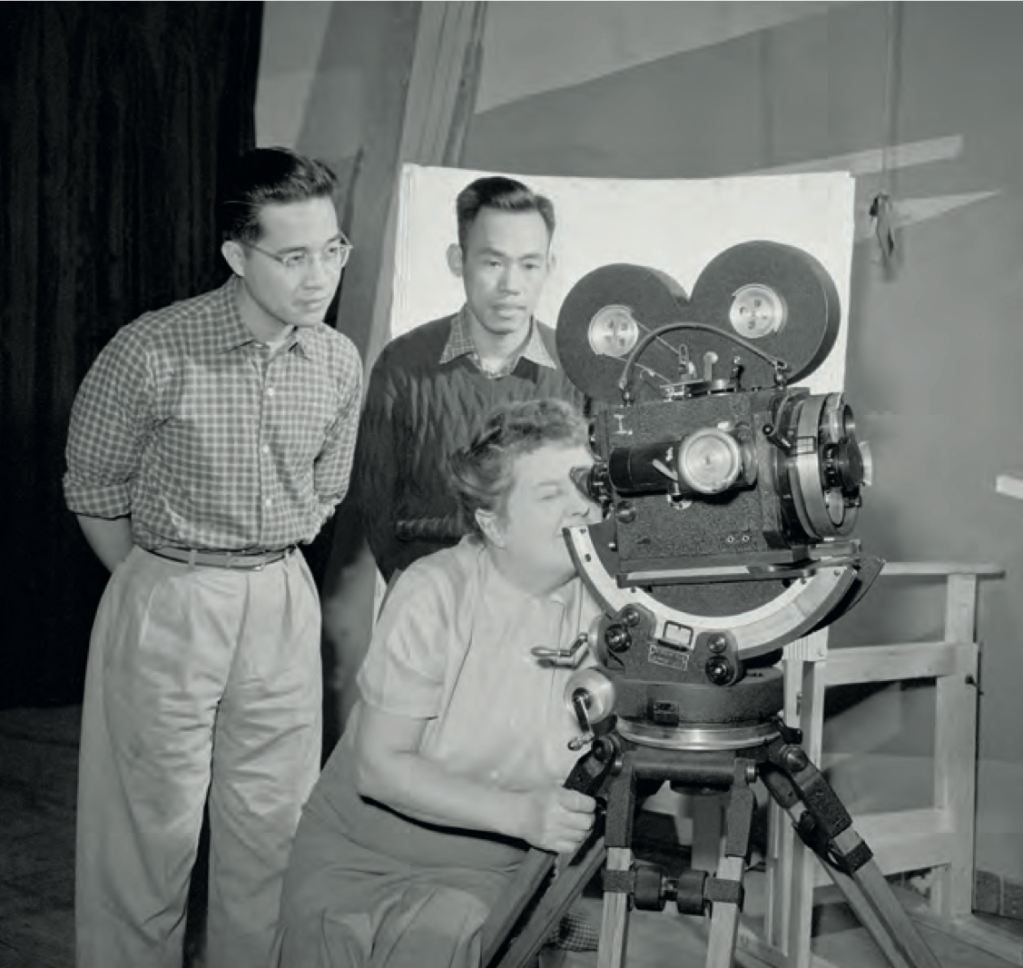
Vietnamese filmmakers in animating atelier in Zlín (Gottwaldov) with Czech filmmaker Hermína Týrlová. April 1959, Foto: ČTK / Jiří Finda In the 1980s Czechoslovakia and Vietnam agreed on a labor exchange program where a lot of Vietnamese people got a chance to emigrate and get employed in factories. The recovery after the war wasn’t an easy process and immigrating to Europe began as a stepping stone for everyone coming here.
It was beneficial for both sides as the Czechoslovak government also gained some labor force. This exchange program was a great shot at having better life not only for themselves but also for heir family. These people had no intention of staying too long. As soon as the agreement ended most of them planned to return back home.
Altough Vietnamese people had a pretty much similiar beginning: immigrate to Czechoslovakia, get a better education, get apprenticed, get hired, make a living, and support their family back home; everybody’s experience was different.
As human beings we perceive the same things differently than others, we’re affected by things and deal with them in different ways. The obstacles during this wave were not the same for everybody.
References:
NGUYEN, M.C. (2019): Defining “vietnamese-ness”: a cross-generational debate on the identity of vietnamese immigrants in the Czech Republic. Bachelor‘s thesis. School of journalism, media & visual arts. Anglo-American University.
-
How an idea “ROOTS OF THE FUTURE” has sprouted
Some meetings can bring more than meets the eye.
I can’t believe this is really happening.
It all started with a conversation between a Czech student from Charles University and myself, a clueless young Vietnamese girl trying to get more information about Liberal Arts studies. Consequently, the curiosity and interest of both of us turned the conversation from the university mentoring into an interesting exchange of ideas, knowledge and opinions.
It’s surprising that not many people know about how Vietnamese people arrived to Czechia. I found a nice article by the Institute for the Study of Totalitarian Regimes which explained the political background and historical context of this topic. Martin showed his interest in the Vietnamese culture and it seems like he is keeping himself updated about the world quite regularly. To be honest, I didn’t know much about the history of Vietnamese people in Czechia apart from what I heard from the elders. I felt a desire to find out more about what it has to do with Totalitarian Regimes…
I had a pleasant time chatting with Martin, an initial anxiety from speaking to a stranger turned into excitement from having a meaningful conversation. I found out that we have similar life experiences. As an OSN volunteer, he is very concerned about global issues and still, he is very interested in engaging in civil life and projects with social impacts. He changed his life path and academic choices from studying science to humanities as I am planning to do and he has been living and working abroad as well. And thanks to his curiosity and open-mindedness I felt like he could understand the cultural identity issue and the international and generational gap I was concerned about.
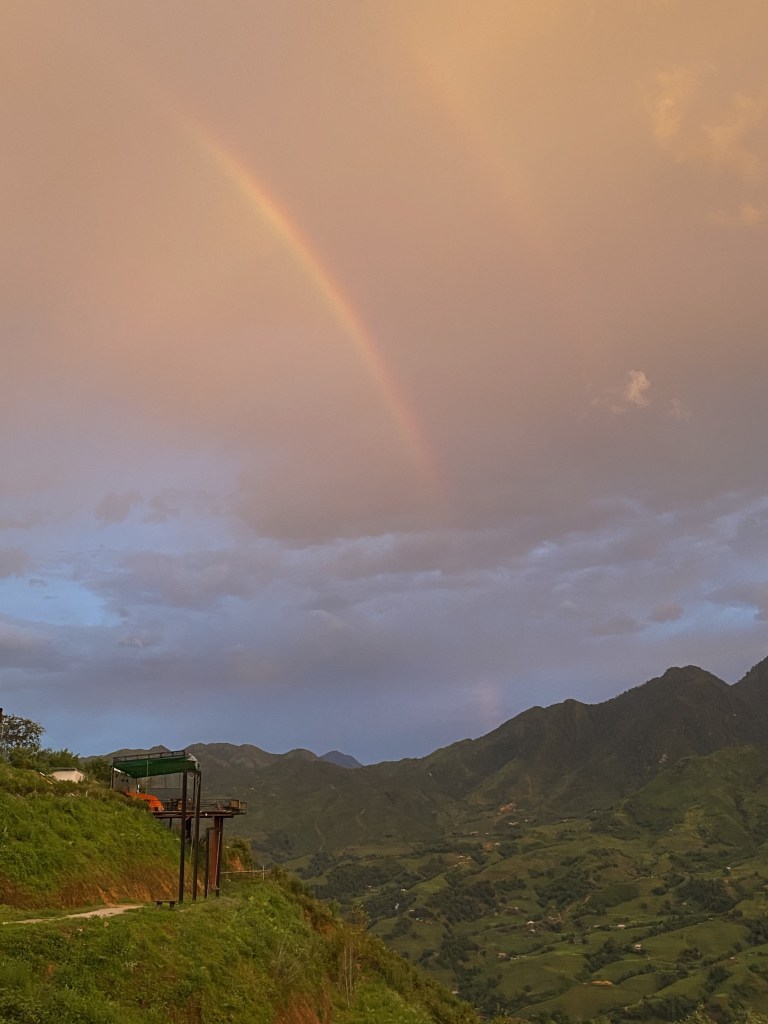
After rain there’s a rainbow, after a storm there’s calm, after the night there’s a morning, and after an end there’s a new beginning. Martin couldn’t tell me much about my bachelor’s studies, because he was a master’s student of oral history, but he was quite passionate about history and his interests were contagious.
We put two and two together. “Would you be up to writing a project with me?” By using oral history methodologies we can interview the first generation of Vietnamese people in Czechia to complete the narrative of Czech history. “Cool, I am missing some immigrant narratives in Czech history anyway” Martin added “Moreover we can address the perception about Vietnamese people and improve the relationships between Czech people and the Vietnamese minority.” “We can learn so much from the past, let’s involve young people to join us. It would be very useful to do research on family history and create a space for exchange. I am sure it would be very interesting to have these kinds of conversations when a young person can learn more about his/her own ethnicity and cultural identity.” “Let’s write a Solidarity project, this could be a good idea of how to share Solidarity values while gaining some valuable life-skills.”
-
Does double Identity mean double Life?/ Kolik řečí umíš, tolikrát jest člověkem.
Česká verze je pod anglickou verzí.
🇬🇧 English: This article will discuss how the environment influences our perception of identity, the risks of loosing connection with our cultural heritage and why it could be beneficial to explore our origins.
There are currently around 62 000 Vietnamese people living in the Czechia. These people arrived from various reasons. Most of them have settled and started their family there. The young generation, so called ‚Banana kids‘ grew up and attended schools in Czechia. They are surrounded by Czech culture and the vast majority speak Czech better than their mother tongue. But is this why their roots are disappearing?
Well, perhaps. Some people would argue that it is all right because the youngsters are going to live and work in the Czechia and their Vietnamese identity is less important.
On the other hand, a lack of awareness about their Vietnamese origins could lead to risks of identity crisis and disorientation in life. For this particular reason it is preferable to understand how Vietnamese heritage shape one’s identity, values and life choices.
In conclusion, yes, the young people with immigrant background does live different lives and this certainly affects their perception about their identity. However not enough is being done to encourage youngsters to discover and learn about their cultural origins and this should be addressed.
🇨🇿 Česky:
Tento článek se zabývá tím, jak prostředí ovlivňuje naše vnímání identity, jaká jsou rizika ztráty spojení s kulturním dědictvím a proč by mohlo být prospěšné zkoumat náš původ.
V současné době žije v České republice přibližně 62 000 Vietnamců. Tito lidé přišli z různých důvodů. Většina z nich se zde usadila a založila rodinu. Mladá generace, takzvané „banánové děti“, vyrůstala a navštěvovala školy v Česku. Jsou obklopeni českou kulturou a naprostá většina z nich mluví česky lépe než svým mateřským jazykem. Je to však důvod, proč se jejich kořeny vytrácejí?
No, možná ano. Někteří lidé by mohli namítnout, že je to tak v pořádku, protože mladí lidé budou žít a pracovat v Česku a jejich vietnamská identita není tak důležitá.
Na druhou stranu, nedostatečné povědomí o jejich vietnamském původu může vést k riziku krize identity a dezorientace v životě. Právě z tohoto důvodu je vhodnější pochopit, jak vietnamské dědictví utváří identitu, hodnoty a životní volby.
Závěrem lze říci ano, mladí lidé s přistěhovaleckým původem skutečně žijí několik životů, což jistě ovlivňuje jejich vnímání vlastní identity. Není zde však moc příležitostí a snahy o to, aby mladí lidé mohli objevovat a poznávat svůj kulturní původ. Je čas tento fakt změnit.

About Us
The 12 month long project involves young people with immigrant background by encouraging them to be curious about their family history and cultural origins.
Roots of the Future is about discovering the Vietnamese roots of youngsters with immigrant background in the Czech Republic through storytelling and exchange.
We encourage youngsters to become curious about their own heritage and culture through sharing the stories of their parents and close people in order to identify multiple identities.
‘The youth is the hope of our future’.
– Jose Rizal
Follow Us On


Subscribe To My Newsletter
Subscribe for new travel stories and exclusive content.
 Roots of the Future